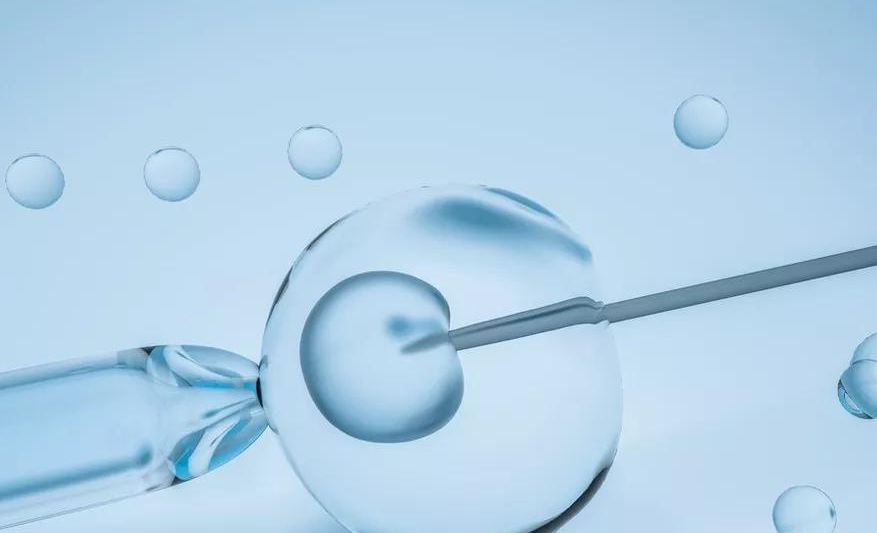
ICSI, or intracytoplasmic sperm injection, is a widely utilized technique in assisted reproductive technology (ART). It is a key component of both first-generation and second-generation IVF procedures. Understanding the distinctions between these generations can be crucial for individuals considering fertility treatments.
First-Generation IVF:
First-generation IVF, often referred to as conventional IVF, involves a series of steps beginning with ovarian stimulation to produce multiple eggs. These eggs are then retrieved and fertilized with sperm in a laboratory setting. The resulting embryos are cultured for several days before being transferred into the uterus. While this process has been successful for many couples, it can have limitations in cases where male factor infertility is present or when fertilization rates are low.
Second-Generation IVF:
Second-generation IVF builds upon the foundation of conventional IVF by incorporating more advanced techniques, including ICSI. During ICSI, a single sperm is directly injected into an egg to facilitate fertilization. This technique significantly improves the chances of successful fertilization, particularly in situations where sperm motility or morphology are compromised.
The inclusion of ICSI within second-generation IVF has revolutionized treatment options for couples facing male infertility challenges.
ICSI and its Impact on Success Rates:
Implementing ICSI in IVF cycles often leads to significantly higher fertilization rates compared to conventional IVF methods. This can translate into improved success rates for couples struggling with male factor infertility. The precise success rate of ICSI-assisted IVF varies depending on factors such as maternal age, embryo quality, and underlying medical conditions.
Understanding the ICSI Process:
The ICSI procedure involves several meticulous steps:
Conclusion:
ICSI stands as a powerful tool within the realm of assisted reproductive technology, offering hope to couples facing male infertility challenges. By directly injecting a sperm into an egg, ICSI significantly elevates fertilization rates and improves the chances of achieving a successful pregnancy.
免责声明:本站信息仅供参考不能作为诊断及医疗的依据 如有转载或引用文章涉及版权问题请速与我们联系(侵权投诉QQ:3457827836)。
Copyright © 2021 tgvy.com 皖ICP备18005611号-7